Discover Africa’s Highest PeakMount Kilimanjaro Info

Our expert local guides, sustainable practices, and tailored routes like Lemosho and Machame ensure a safe, unforgettable ascent, often paired with safaris to Serengeti or Ngorongoro. Below, explore essential facts about Kilimanjaro, covering its geography, climbing experience, cultural significance, and practical details to inspire your journey.

Your Journey to Uhuru Peak

Climbing Mount Kilimanjaro, Africa’s tallest peak at 5,895 meters, is a thrilling adventure that demands careful preparation. At Raptor Safari & Tours, based in Arusha, we’ve guided thousands to Uhuru Peak with a 90-95% summit success rate. Mount Kilimanjaro, A global bucket-list destination, blending breathtaking scenery with a non-technical climb accessible to adventurers.

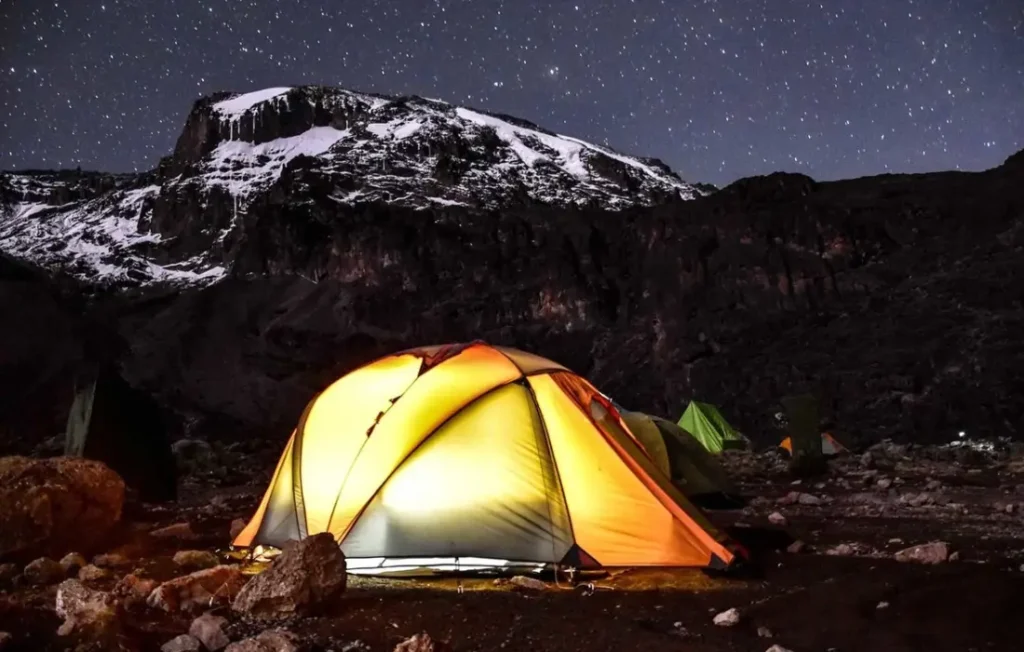
Campsite

Bring a small notebook to sketch groundsels at Barranco Camp (3,900 m)

Summit Sunrise

Capture the glacier at sunrise

Non-Technical Climb

Kilimanjaro requires no technical skills, making it accessible to fit beginners, unlike Everest. Trails like Machame involve hiking, scrambling, and endurance, with our 6-9 day routes ensuring 90-95% summit success. The challenge lies in altitude and stamina. 
 

Multiple Routes to Summit

We offer six routes:
  • Lemosho (8 days, scenic), Machame (7 days, popular), Marangu (6 days, huts), Rongai (7 days, quieter), Northern Circuit (9 days, longest), and Umbwe (6 days, steep). Each balances acclimatization and views, with Lemosho earning 95% success. 
 

Summit Night Drama

Summit night, starting at midnight from Barafu Camp (4,600 m), is a 6-8 hour ascent to Uhuru Peak under starlight, reaching 5,895 meters by dawn. Temperatures hit -15°C, but our guides pace you for 90% success. Sunrise views reward climbers. 
 

Stunning Crater Views

Kibo’s crater, at 5,700 meters, features glaciers, ash pits, and the Furtwangler Glacier, shrinking but visible on summit day. Our guides lead safe detours for 80% of summiteers to see these icy wonders.
 

Acclimatization Challenges

Altitude sickness, from low oxygen above 3,000 meters, is Kilimanjaro’s biggest hurdle. Our “climb high, sleep low” routes reduce symptoms for 85% of climbers, with guides monitoring oxygen levels daily. Severe cases trigger immediate descent. Tip: Walk slowly (“pole pole”), and take Diamox (if prescribed) to ease altitude effects.

Geography and Nature

Moorland Zone

(2800 to 4000m) ASL

Summit Push

Capture the glacier at sunrise, but follow guide paths to avoid crevasses near Stella Point.

Africa’s Tallest Mountain

Kilimanjaro, at 5,895 meters (19,341 feet), is Africa’s highest peak and one of the Seven Summits. Located in northern Tanzania, 70 km from Arusha, its snow-capped Kibo cone towers over the savanna. Our climbs offer 360° views of plains and glaciers, with 90% of guests reaching Uhuru Peak.
 

A Dormant Volcano

Kilimanjaro is a dormant stratovolcano with three cones: Kibo (active), Mawenzi, and Shira. Kibo’s crater, last active 150,000 years ago, forms the summit, while Mawenzi’s rugged spires thrill climbers on Rongai. Our routes showcase volcanic features like lava fields.
 

Five Climate Zones

Kilimanjaro spans five ecosystems—cultivated fields (800-1,800 m), rainforest (1,800-2,800 m), moorland (2,800-4,000 m), alpine desert (4,000-5,000 m), and arctic summit (5,000-5,895 m). This diversity, unique among global peaks, offers lush forests and barren scree in one climb.
 

Home to Unique Flora

Kilimanjaro’s slopes host endemic plants like giant groundsels in the moorland and senecio trees, thriving in harsh altitudes. The rainforest teems with orchids and ferns, seen on Machame and Lemosho. Our guides, trained in botany, identify 50+ species per climb.
 

Rich Wildlife

Lower slopes (1,800-2,800 m) harbor wildlife, including blue monkeys, colobus monkeys, and bushbabies in the rainforest, with leopards rarely spotted. Moorland hosts birds like white-necked ravens. Our 2024 climbs reported 85% of guests seeing monkeys.