- Welcome to Raptor Safari & Tours
A Journey Through theSerengeti Wildebeest Migration
Perfect for wildlife enthusiasts and photographers, this safari showcases our commitment to sustainable tourism, supporting park conservation and local communities. Discover the itinerary, inclusions, and packing tips below to prepare for this bucket-list journey through the Serengeti’s endless plains.
Witness the Greatest Wildlife Spectacle on Earth
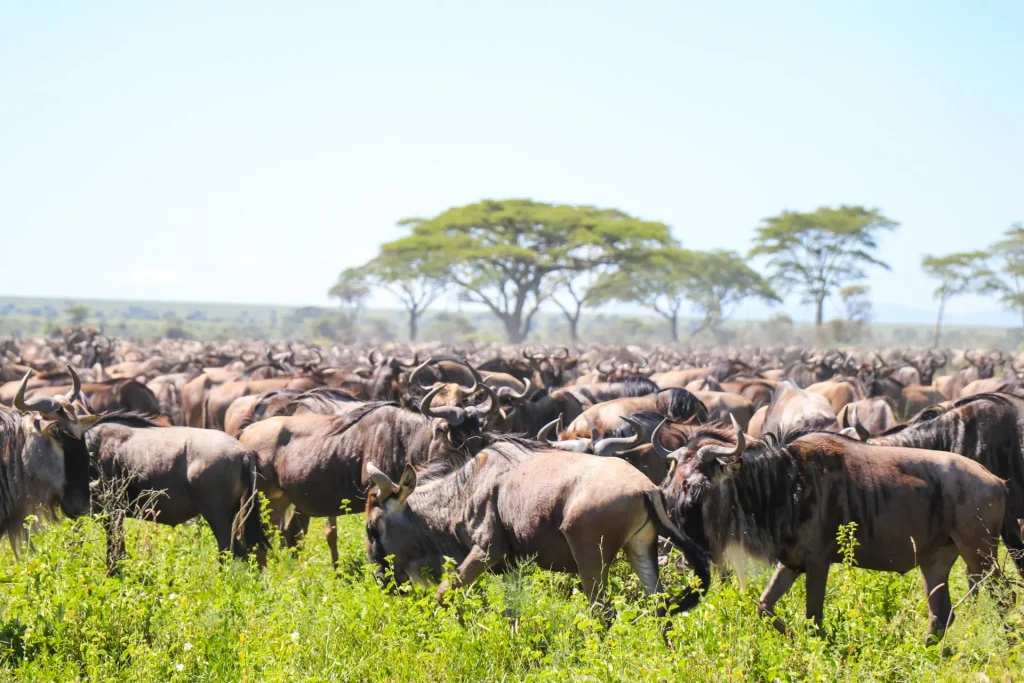
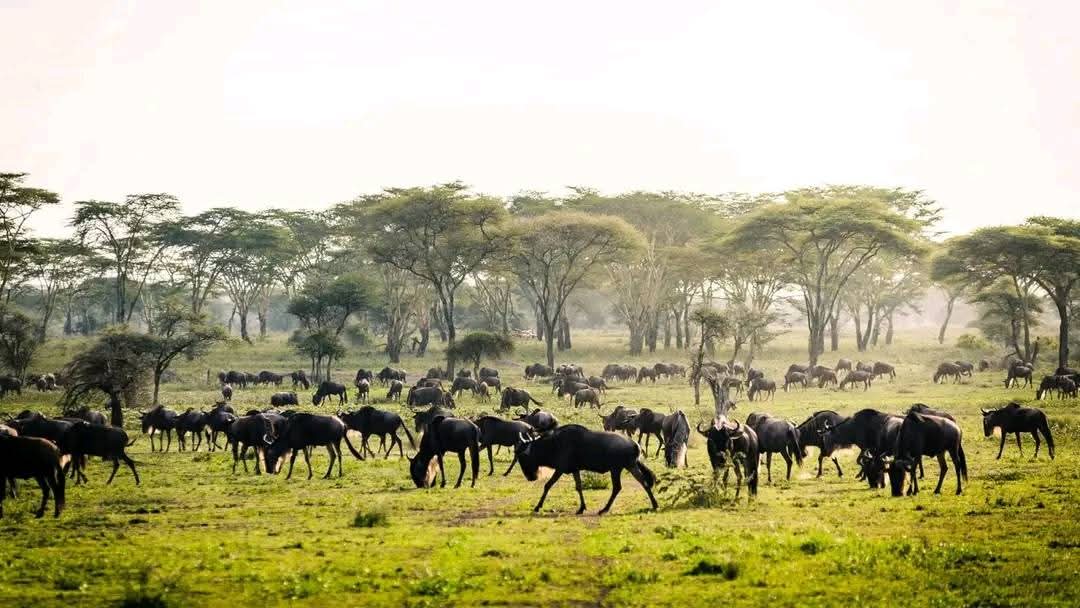
The Great Wildebeest Migration, often called the “World Cup of Wildlife,” is a breathtaking annual journey of over 1.5 million wildebeest, zebras, and antelopes across Tanzania’s Serengeti National Park, pursued by predators like lions, cheetahs, and crocodiles. At Raptor Safari & Tours, your Arusha-based experts, we craft unforgettable Serengeti Migration safaris, blending thrilling game drives with the region’s iconic landscapes. Our passionate local guides lead you to the heart of this natural marvel, complemented by visits to Ngorongoro Crater, Tarangire, or Lake Manyara. Discover the migration’s rhythm, plan your perfect adventure, and let us guide you into Tanzania’s wild soul.
The Seasonal Circle of the Migration
The Great Migration follows a cyclical pattern driven by rainfall and grazing, covering roughly 1,800 miles across the Serengeti and Kenya’s Maasai Mara. Below is the seasonal breakdown to help you visualize this epic journey:
January to March Calving Season (Southern Serengeti)
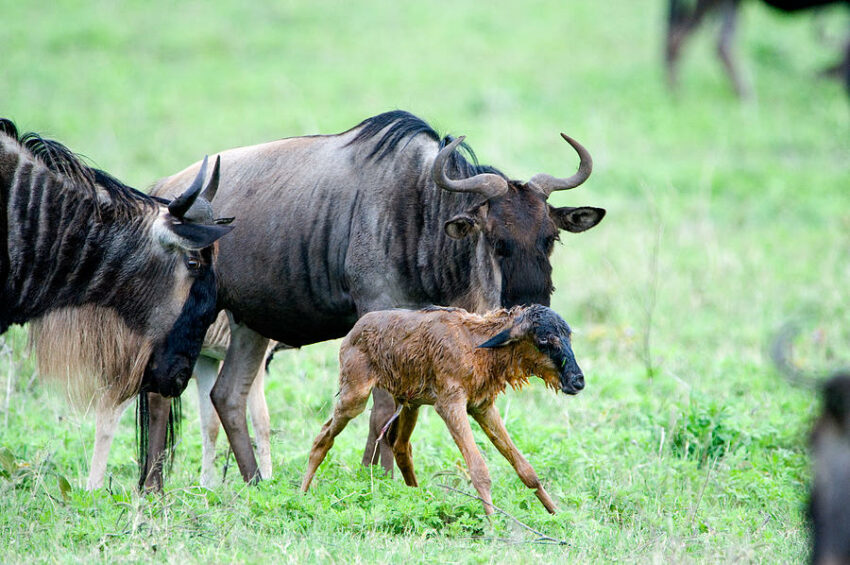
In the Ndutu plains, over 500,000 wildebeest calves are born within weeks, attracting predators like hyenas and leopards. The short-grass plains offer clear views of newborns and hunting action. Our 4-7 day safaris maximize sightings, with 95% of guests spotting calves and predators. Tip: Visit in February for peak calving, and bring a telephoto lens (300mm+) to capture tender calf moments or dramatic chases.
April to May: Northward Movement (Central Serengeti)
As rains arrive, herds move north through central Serengeti’s Seronera region, grazing on fresh grass. Scattered herds and fewer tourists make this a serene time, with lions and cheetahs trailing closely. Our guides navigate quieter routes for intimate encounters. Tip: Pack a lightweight rain jacket, as April showers are common, and expect muddy tracks that add adventure to drives.
June to July: Grumeti River Crossings (Western Corridor)
Herds converge in the Western Corridor, facing perilous crossings of the Grumeti River, where crocodiles lurk. These dramatic scenes unfold near Grumeti’s tented camps, perfect for 5-7 day safaris. Our guides time drives for 85% crossing sighting success. Tip: Book early for June, as camps fill fast, and bring binoculars to spot distant herds massing along riverbanks.
August to October: Mara River Crossings (Northern Serengeti)
The migration’s climax occurs as herds brave the Mara River’s treacherous waters, dodging crocodiles and swift currents. Northern Serengeti’s Kogatende area offers front-row views, with lions and hyenas adding intensity. Our 6-7 day safaris ensure multiple crossing opportunities. Tip: Visit in September for peak crossings, and use burst mode on your camera to capture leaping wildebeest or predator ambushes.
November to December: Return South (Central to Southern Serengeti)
As rains begin, herds loop back south through central Serengeti, preparing for calving. Lush landscapes and fewer crowds make this ideal for photography and birdwatching (500+ species). Our safaris pair Serengeti with Ngorongoro for Big Five sightings. Tip: Pack a waterproof camera bag for November’s showers, and combine with Lake Manyara for vibrant birdlife.
Calving Season (Southern Serengeti)
Mara River Crossings (Northern Serengeti)
Best Time to Visit
Peak Season (July to October):
Ideal for Mara and Grumeti river crossings, with dry weather ensuring clear views and concentrated wildlife. August to September offers the highest crossing frequency, with 90% of our guests witnessing multiple events on 5-7 day safaris. Book 9-12 months ahead for lodges in northern Serengeti. Tip: Pair with Ngorongoro Crater for rhinos, but expect higher rates and crowds—our private 4x4s avoid busy routes.
Calving Season (January to March):
Perfect for predator-prey drama and newborn calves in southern Serengeti. February is prime, with milder weather and fewer tourists. Our 4-7 day itineraries include Tarangire for elephants, enhancing diversity. Tip: Visit early February to see peak calving, and wear layers for Ndutu’s cooler mornings (10-15°C).
Shoulder Seasons (April to May, November to December):
These wetter months offer lush scenery, fewer crowds, and budget-friendly rates. Central Serengeti’s dispersed herds suit photographers, while November’s return south pairs well with Lake Manyara’s flamingos. Tip: Book flexible 4-5 day safaris, as rain can shift herd movements—our guides adapt routes daily based on migration updates.
We deliver expertise and passion
Serengeti’s action
5 Days Safari
A Deeper Dive into the WildExtending the 4-day itinerary, our 5-day safari offers more time in the Serengeti, plus Tarangire and Ngorongoro Crater, for a richer exploration of Tanzania’s ecosystems.
6 Days Safari
A Comprehensive Northern CircuitThis 6-day safari covers Lake Manyara, Serengeti, Tarangire, and Ngorongoro Crater, offering a complete Northern Tanzania experience.
7 Days Safari
The Ultimate Tanzanian OdysseyOur 7-day safari is the pinnacle of Northern Tanzania exploration, weaving Lake Manyara, Serengeti, Tarangire, and Ngorongoro Crater into an epic journey