- Welcome to Raptor Safari & Tours

Discover the Heart of TanzaniaCountry Facts
Tanzania, a land of breathtaking landscapes and vibrant cultures, is the ultimate destination for adventure seekers. Home to the Serengeti’s Great Migration, Kilimanjaro’s towering peak, and the Ngorongoro Crater’s wildlife haven, this East African gem captivates travelers worldwide.
Your Guide to an Unforgettable Tanzania Adventure
At Raptor Safari & Tours, based in Arusha, we’re proud to showcase Tanzania’s treasures through our expertly crafted safaris and climbs. Below, explore fascinating facts about Tanzania, from its natural splendor to its rich heritage, to inspire your journey with us.
Geography and Nature
Tanzania’s diverse terrain, from savannas to mountains, sets the stage for unforgettable safaris. These facts highlight its natural beauty and ecological significance.
Africa’s Highest Peak
Mount Kilimanjaro, at 5,895 meters (19,341 feet), is Africa’s tallest mountain and a bucket-list climb. Located near Arusha, its snow-capped Uhuru Peak draws adventurers globally. Our Lemosho and Machame routes offer 90-95% summit success rates, blending challenge with stunning views of glaciers and volcanic craters. Tip: Train with 6-8 weeks of cardio and hiking to conquer Kilimanjaro’s trails comfortably.
Vast Serengeti Plains
Serengeti National Park, a UNESCO World Heritage Site, covers 30,000 km² of grasslands, hosting the Great Migration of 1.5 million wildebeest. Its name, from the Maasai word “siringet” (endless plains), reflects its vast beauty. Our safaris maximize sightings of lions and cheetahs. Tip: Visit in July for dramatic river crossings, and bring binoculars for distant herds.
Ngorongoro Crater’s Majesty
The Ngorongoro Crater, a 260 km² caldera, is the world’s largest intact volcanic crater and a UNESCO site. Home to 25,000+ animals, including black rhinos, it’s a safari highlight. Our day trips from Arusha ensure 90% Big Five sightings. Tip: Start early at 6:30 AM to catch active predators and avoid midday crowds in the crater.
Extensive Protected Land
With 17 national parks and reserves, Tanzania dedicates 25% of its land to conservation, including Tarangire, Lake Manyara, and Mkomazi. These parks safeguard elephants, flamingos, and rare wild dogs, supported by $1.5M+ in annual fees from tours like ours. Tip: Respect park rules—no littering—to help preserve these ecosystems for future travelers.
Africa’s Deepest Lake
Lake Tanganyika, bordering western Tanzania, plunges to 1,470 meters, making it Africa’s deepest lake. Shared with three countries, it’s a biodiversity hotspot with 250+ fish species. While not on our safari routes, it’s a testament to Tanzania’s natural diversity. Tip: If visiting, try snorkeling to see colorful cichlids, but coordinate with us for logistics.
Wildlife and Biodiversity
Tanzania’s wildlife is unrivaled, drawing safari-goers to its parks. These facts showcase its rich animal kingdom.
Home to the Big Five
Tanzania is one of Africa’s best places to see the Big Five—lion, elephant, buffalo, leopard, rhino—especially in Ngorongoro Crater and Serengeti. Tarangire’s elephant herds and Mkomazi’s rhinos thrill our guests, with 90% spotting 4+ Big Five on multi-day safaris. Tip: Use a 200mm+ zoom lens to capture leopards in Serengeti’s trees safely.
The Great Migration Spectacle
Each year, 1.5 million wildebeest and zebras migrate across Serengeti, chased by predators like crocodiles and lions. From July’s river crossings to February’s calving, it’s a safari highlight, with our guides achieving 90% sighting success. Tip: Book a 5-7 day safari for multiple Serengeti days to witness dramatic moments like a lion hunt.
Birdwatcher’s Paradise in Manyara
Lake Manyara National Park boasts 400+ bird species, from flamingos on its soda lake to pelicans and hornbills in its forests. Our safaris spot 50+ species daily, making it a birder’s dream. Tip: Bring a lightweight bird guide and visit in November for migratory birds, when the lake sparkles with activity.
Tarangire’s Elephant Herds
Tarangire National Park is famed for its 2,000+ elephants in the dry season (June-October), roaming baobab-dotted plains. Our 1-7 day safaris ensure close encounters, alongside giraffes and leopards. Tip: Visit in August for peak elephant gatherings at the Tarangire River, and pack neutral clothing to blend in.
Mkomazi’s Rare Species
Mkomazi National Park, a lesser-known gem, is a sanctuary for endangered black rhinos and African wild dogs. Our day trips from Arusha highlight its conservation efforts and rugged beauty. Tip: Pair Mkomazi with a Serengeti safari for a contrast of rare and abundant wildlife, and support rhino projects with a donation.
Culture and People
Tanzania’s cultural mosaic, from Maasai traditions to Swahili roots, enriches every visit. These facts celebrate its heritage.
Diverse Ethnic Tapestry
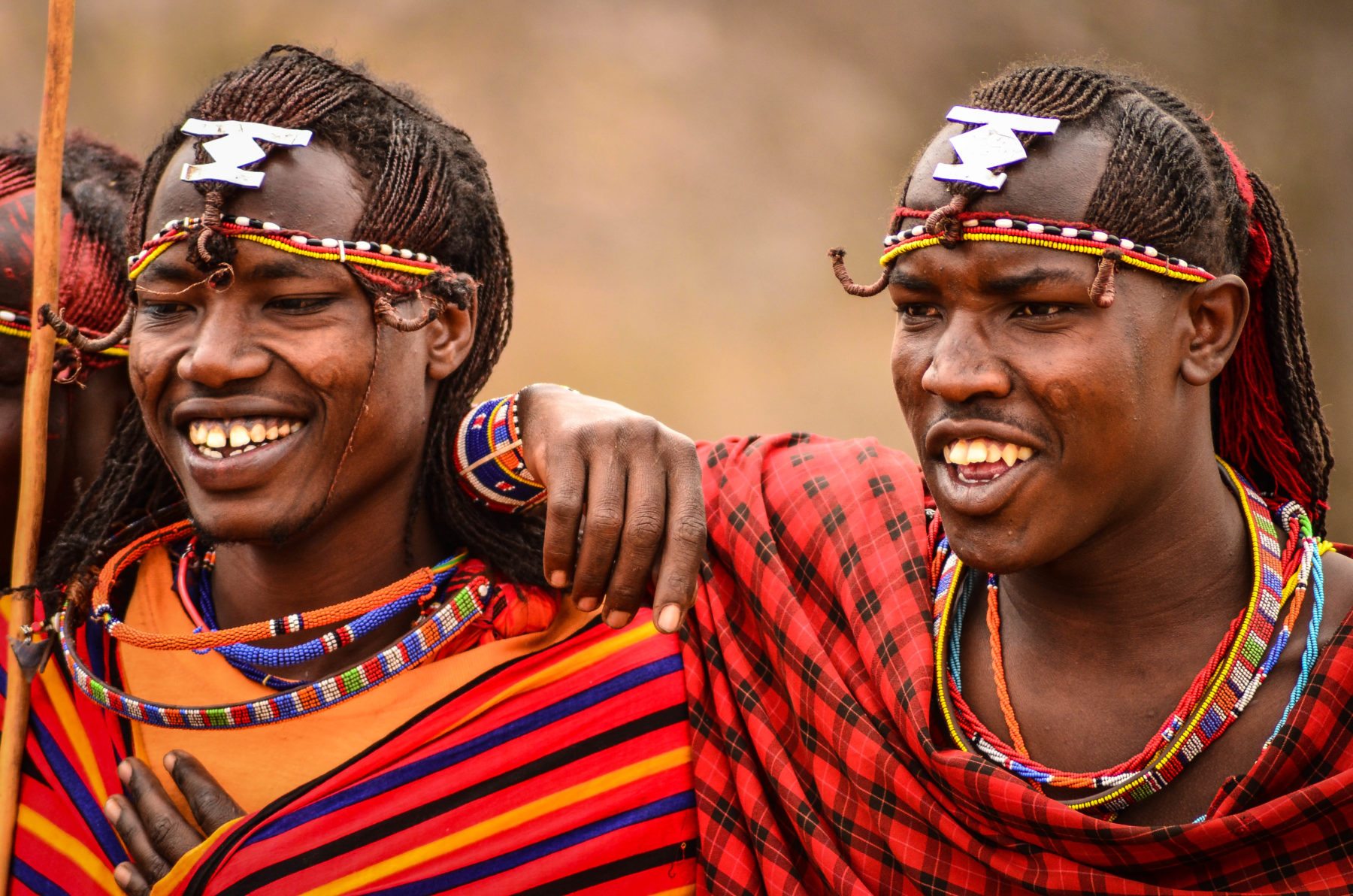
With over 120 ethnic groups, including the Maasai, Chagga, and Hadzabe, Tanzania’s cultural diversity shines. Our safaris include Maasai boma visits near Ngorongoro, where you’ll learn about their herding traditions. Tip: Ask permission before photographing locals, and bring small gifts like notebooks for kids to foster goodwill.
Swahili as a Unifying Language
Swahili (Kiswahili), spoken by 90% of Tanzanians, unites the nation, with English widely used in tourism. Our guides teach phrases like “Jambo” (hello) to enhance your experience. Tanzania’s name blends Tanganyika and Zanzibar, reflecting its history. Tip: Learn “Asante” (thank you) to connect with locals in Arusha markets or Serengeti lodges.
Maasai Pastoralist Traditions
The Maasai, known for red shukas and beaded jewelry, herd cattle across Ngorongoro and Serengeti lands. Our cultural tours share their songs, dances, and sustainable practices, with 100% of visit fees supporting communities. Tip: Buy authentic Maasai crafts directly from bomas to ensure fair trade, but barter respectfully.
Chagga Heritage Near Kilimanjaro
The Chagga people, living on Kilimanjaro’s slopes, are skilled farmers and storytellers. Our Arusha-based team shares their heritage during climbs, including tales of coffee cultivation.
Tip: Try Chagga banana stew at a local eatery in Arusha, and visit a coffee cooperative to taste their famous brews.
Vibrant Tanzanian Festivals
Tanzania hosts festivals like Sauti za Busara in Zanzibar (February) for music and Karibu Fair in Arusha (June) for tourism. Safari-goers can join local celebrations, with our guides arranging visits. Tip: Time your trip for June to experience Arusha’s lively fair, and pack comfy shoes for dancing to taarab tunes.
History and Economy
Tanzania’s past and present shape its appeal. These facts provide context for your journey.
Independence in 1961
Tanganyika achieved independence from Britain in 1961, merging with Zanzibar in 1964 to form Tanzania. Led by Julius Nyerere, it embraced “Ujamaa” socialism, shaping its community spirit. Our guides share this history during drives. Tip: Visit the Arusha Declaration Museum before your safari to understand Tanzania’s roots, just 10 minutes from our office.
Zanzibar’s Spice Trade Legacy
Zanzibar, part of Tanzania, was a 19th-century trade center for cloves, drawing Arab and Indian merchants. Its Stone Town, a UNESCO site, complements our mainland safaris. Tip: Add a 2-day Zanzibar extension after your Serengeti trip to explore spice markets—book early for beachfront hotels.
Tourism’s Economic Impact
Tourism, contributing 17% to GDP, supports 1.5M jobs, with safaris to Serengeti and Ngorongoro fueling growth. Our tours employ local guides and fund parks, earning 96% guest satisfaction in 2024. Tip: Support locals by dining at Arusha’s small eateries or buying crafts near Tarangire, boosting community livelihoods.
Travel Tips and Facts
Practical insights to make your Tanzania safari seamless and memorable.
Tanzanian Shilling Currency
The Tanzanian Shilling (TZS) is the currency, with USD widely accepted for tourism (1 USD ≈ 2,700 TZS, April 2025). Our safaris include most costs, but carry small USD bills for tips. ATMs are available in Arusha. Tip: Exchange money at Arusha banks for better rates, and tip guides $15-$25/day to show appreciation.
East Africa Time Zone
Tanzania operates on East Africa Time (EAT), UTC+3, with no daylight saving changes. This aligns safari schedules, starting at 6:30 AM for dawn drives in Lake Manyara or Serengeti. Tip: Adjust your watch on arrival in Arusha, and set alarms for early game drives to catch Ngorongoro’s active wildlife.
